An Artist’s Guide: Where to Sell Art Locally
Key Takeaways
There are plenty of places to start selling your art locally, including craft fairs, pop-up shops, and art galleries.
Selling wholesale means that you’re selling your artwork in someone else’s shop. There are pros and cons to this depending on what you’re selling.
Some pros of selling wholesale are that you’re getting paid upfront, and usually in a bulk order.
Some cons of wholesale include having to cut your retail price by 50%, and that not all products can be sold this way.
It’s critical to prepare your shop for selling wholesale right away if you eventually want to do that. If not, you can find yourself accidentally losing money very fast.
You should approach shops intentionally, and be prepared with a line sheet of your available products.
Building and maintaining a great relationship with a shop owner can bring in new opportunities for growth and income.
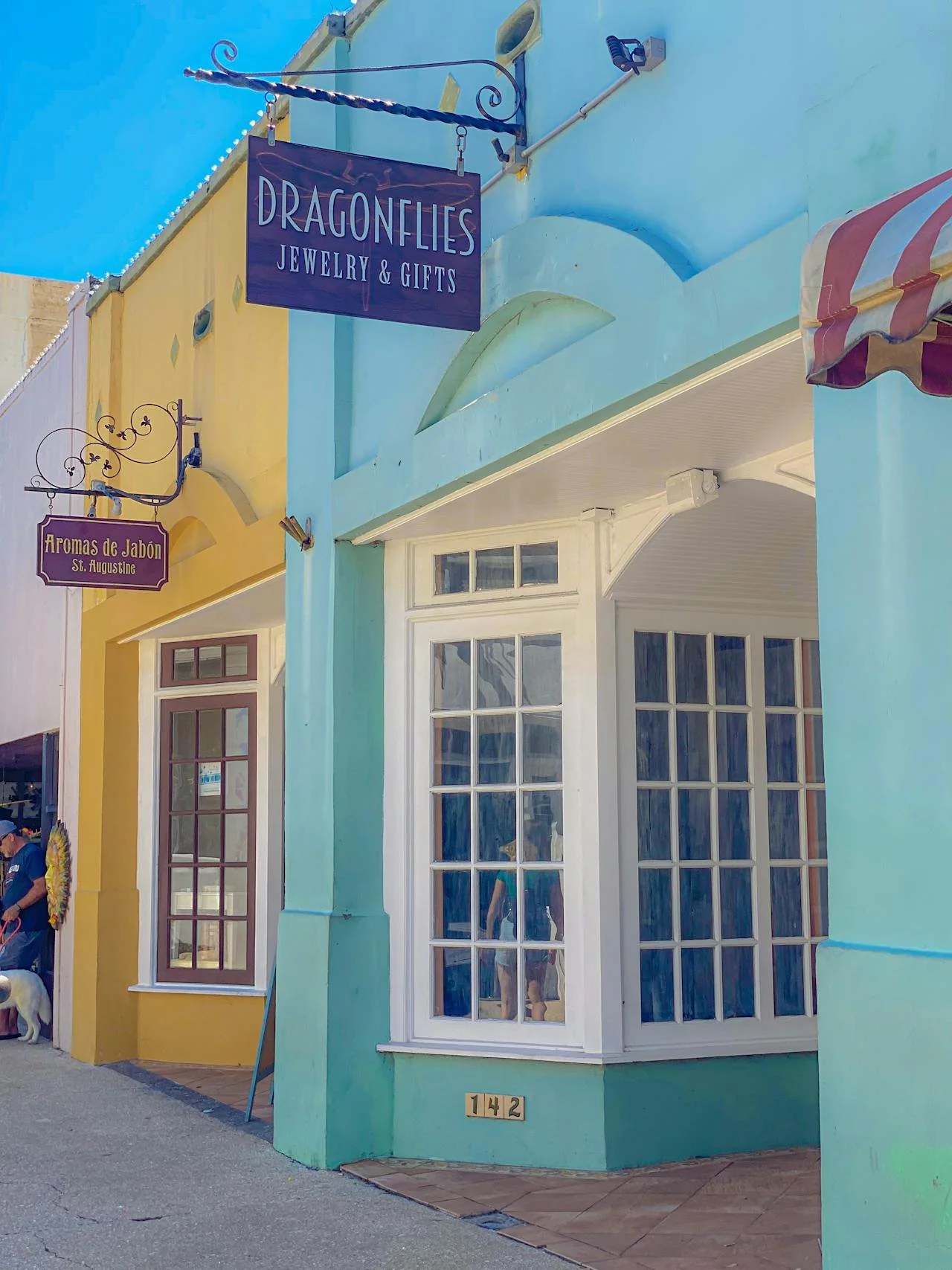
If you’re just starting out making and selling your crafts, it might seem scary to put your art online for the masses to see. You’re probably even struggling to figure out where to sell art, what products to list, and how to get the right people to find you online.
So if you’re left scratching your head and thinking, “Where do I sell my art to even get started?”, I’ve got some answers for you today!
Selling your work online is great! It’s an amazing way for customers across the world to quickly discover you and your art, and potentially grow your handmade business into a monster of an income stream (in the best way :)). However, there are a lot of decisions you have to make before getting to that point which can feel discouraging.
That’s where selling locally can help. If you’re getting hung up on the tech side of things, it may be easier to start out dipping your toes into the wholesale market in an area you’re a lot more familiar with.
Love that shop down the street that sells work from local artists? Get your butt in that store! Know a friend who has sold at a local fair? Send them a message! There are a ton of unique ways to get your craft out into the world and starting out locally can be an exciting and fulfilling way to get your first taste of selling.
So let’s jump in and talk about how this all works, and how to get started!
Local Art Sales Channels
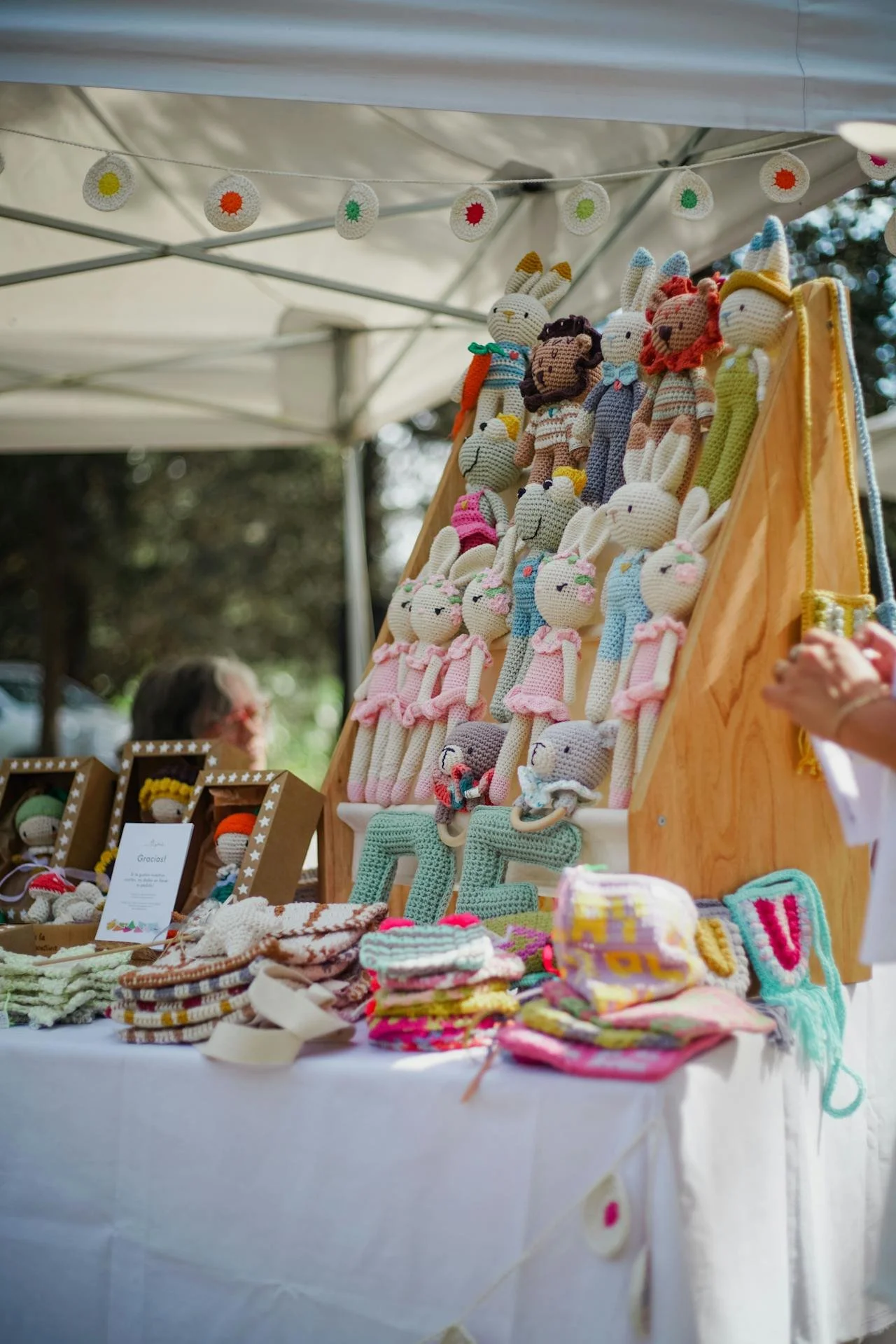
When I tell you there are tons of ways to get your art out into the world locally, I’m not exaggerating! No need to wonder, “where can i sell my art??”...craft artists are getting more and more creative every day, finding new ways to get their customers to find their art in person, and online. However, there are definitely some common methods that are tried and true. Let’s touch a little on each:
Craft Fairs
Let’s start out with old faithful. You can bet that wherever you are in the world, you’ll be able to find some kind of craft fair. Artists are literally everywhere, and we love that for us.
While I don’t think craft shows work well for every business, if you are getting started, or you’re looking to add a more social aspect to your craft business, it’s definitely worth a shot.
Before applying to any show, just consider the average price point, the type of customer it will attract, and if that customer is, well, similar to your customer. This will give you a better idea if you have a chance of making decent sales (although even then, it’s hard to predict!).
However, craft fairs can easily lead to new opportunities if you are great at networking and small talk with attendees. Many of my art clients inside Handmade & Paid made their first dollar, and connected with their first wholesale opportunity from a single craft fair. So give it a shot, go in with an open mind, get product feedback, make connections, and look for opportunities (even if the sales don’t come flying in).

Pop up shops
Ok what the heck is this? It’s just a genius idea that someone had when they didn’t know where to sell artwork, wanted to make more money, and I am here for it!
A pop up shop is essentially a temporary shop, usually in another shop or set location. The amount of time a pop up shop exists depends on the agreement with the shop or location. It could last for one long weekend, or many months!
When it comes to artists and crafters, this might look like a clothing retailer that wants to host a holiday pop up in their shop for the month of December. This works great for them because they can promote you to their audience as a cool new thing to come see inside their shop. It gives them a special reason for their customer to drop everything and come into their store, where they could also make some sales.
On the other hand, you’re getting free traffic, tons of exposure, and making sales too. It’s a very win-win situation. The pop up might also look like you taking over a completely empty storefront for a few months.
This is a great way to test out whether investing into an actual storefront is something you want to do in the future. Overall, it’s a fun option if you have the resources and the energy.
Farmers Markets and Street Festivals
These type of markets are a little less niche than a craft market, where the crowd is attending specifically to go see and purchase art related items. At a farmers market, people are primarily going to get their weekly groceries and maybe grab a coffee to relax. They are not necessarily looking for crafty things.
So while a lot of the people there won’t be interested, it can still be a good opportunity to open yourself up to a new genre of customers that maybe didn’t know they were into dangly beaded garden accessories! Maybe they have never seen a cute, crafty business like yours and you make some great connections while there. I always say, when starting out, try everything once…you’ll learn quickly what is (and isn’t for you)!

Local Galleries
Next we have selling your art in local galleries. This might seem intimidating or scary, but it’s a great option if you can command prices that are a little higher for your art.
The thing to be aware of when it comes to galleries is that the gallery will usually take 50% of your price tag. So you’ll need to decide before making anything and contacting them if you are ok with that/you can afford that/it’s worth it for you to do that.
If the answer is yes, then go for it! You can always start with smaller galleries and work your way up too. Look for galleries that are selling work that has a similar vibe to yours. It’s no use going into a fancy schmancy big time gallery full of serious oil paintings when you make cutesy embroidered portraits. Find a gallery and gallery owner that is on your wavelength who can slide your work right in for a perfect fit.
Wholesale (selling your art in stores)
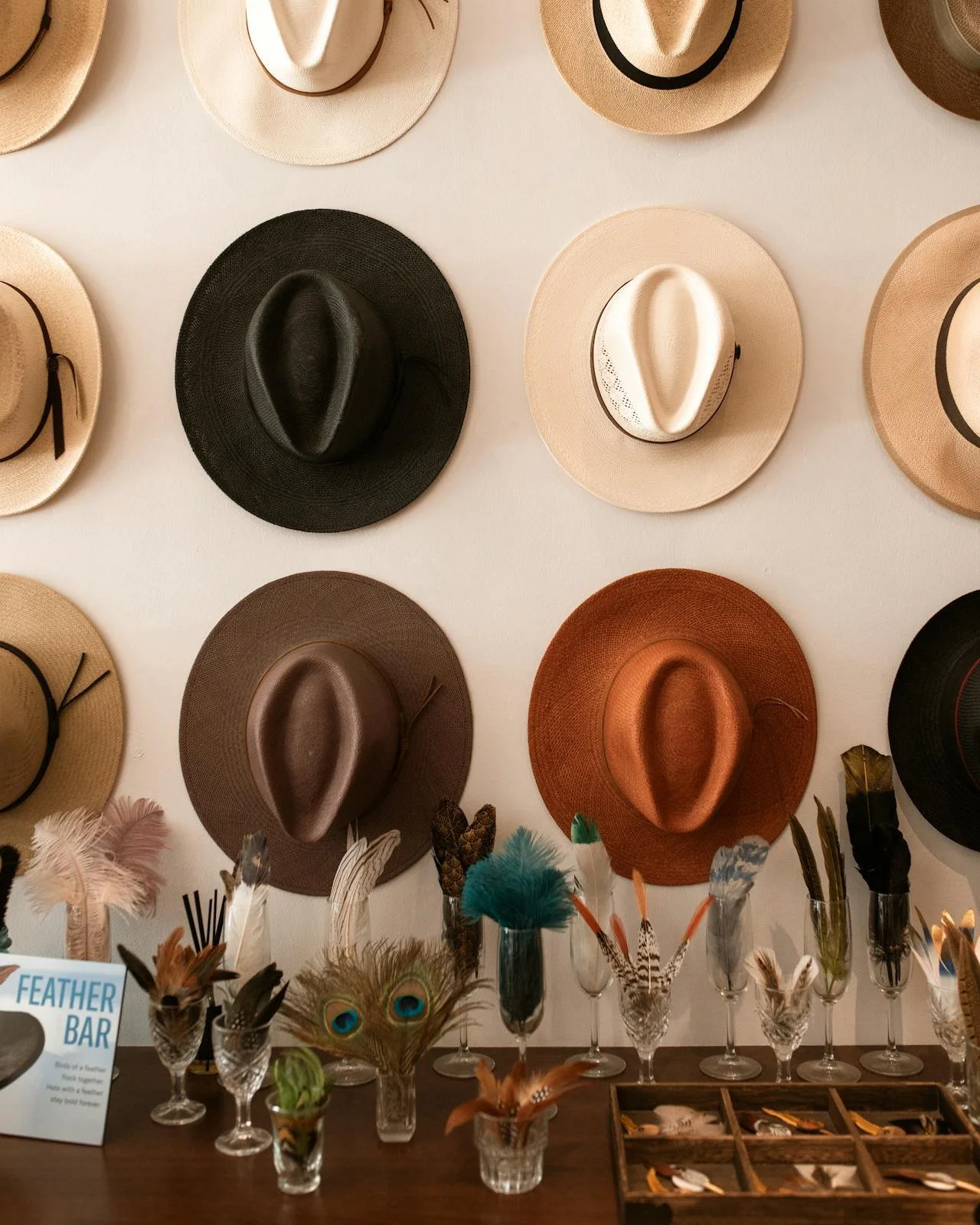
Last but not least, we have selling art wholesale (which we will get into in-depth next!). This method is similar to the gallery setup, except that you’re selling your art in a shop rather than a gallery. It’s a great option when you’re figuring out where to sell artwork, because everyone has a cute shop in their town that might be a good fit!
You’ll find that most shop owners will take 50% of your retail price as well, but if you’ve accounted for your time, labor, and supplies, getting that guaranteed bulk payment makes it worth it.
The way it works is that essentially you get in contact with the owner of a shop where you would like to sell your art. If they are interested in placing an order, then together you’ll create and sign a contract for the exact number of items and what type, as well as a delivery date. Then you go create the product and deliver the work by the agreed upon date. Oh, and of course then you get paid!
If you don’t know where to sell art, this is a great option, however, it’s easy to accidentally not profit and/or undercut your labor time with these types of orders. In the following sections, we’ll talk about the pros and cons of wholesale specifically, and how you can set yourself up for success!
Wholesale Basics
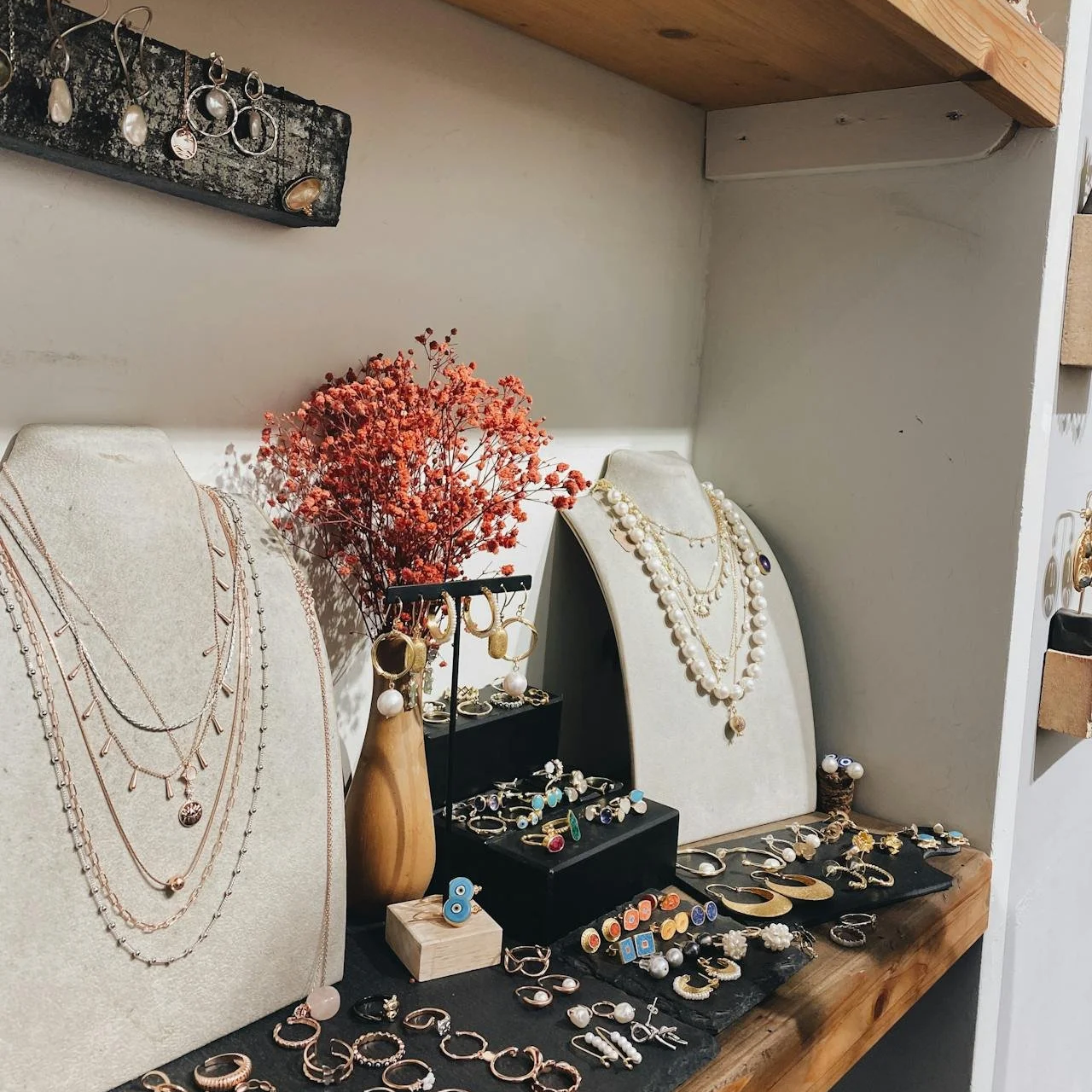
Before we get into super details on wholesale, let’s do a high level pro and con so you can decide if this way of selling is a good idea for the products you sell.
Pros of selling your art wholesale
Let’s start with the good. Wholesale is amazing as an income stream because you can get paid a good chunk of cash all at once. You don’t have to worry about if your products sell (unlike consignment), because they paid upfront.
Wholesale is great if you have products with a wide profit margin that can be fabricated quickly and at least semi-easily. It’s also a great ongoing stream of income if you have stores that buy from you multiple times per year. By building relationships with shop owners, you can get far!
Cons of selling your art wholesale
I wouldn’t say there are cons exactly. However, as mentioned earlier, it’s very easy to blindly lose money in these transactions, and usually it’s your fault.
For example: A shop owner approaches you at a craft fair and wants to sell your embroidered artwork in her very cute handmade items only local shop. You are excited and agree to chat with her later. Over emails, she asks for 10 pieces for her first order to see how they do in her shop. Your retail price for this product is $75.
Wholesale prices for stores are nearly always a standard 50% of your normal retail price (if you’re lucky you might get 60%). So instead of getting paid $750 (10 products x $75 each), you’re getting $375.
That’s still a lot of money for a new craft entrepreneur, so while you have mixed feelings, you still say yes and you agree on a date that you will ship or drop off the products to her shop.
Everything is great until you start breaking down how much you’re making per hour at this 50% rate. Embroidered goods take TIME! But you didn’t really think about the labor, you were too excited about the potential exposure, the bragging rights, and the guaranteed check on delivery day (no shade!)
At the end of the day, you made a connection, you got money in your pocket, but when you zoom out and think it through, this process is not sustainable over the long term. Which is why you need to be prepared to handle wholesale from the very beginning BEFORE you get approached! More on that next :).

How to prepare for selling wholesale
If you’ve decided you want to give selling your art wholesale a try, it’s really important that you are ready for it before it happens. By this, I mean that you are extremely clear on your pricing and how it breaks down before you agree to selling somewhere.
You should know exactly how long each product takes to make, how much money it cost to make, as well as accounted for all the hidden costs like packaging, overhead, etc.
Only then can you clearly assess whether that product is a good fit for selling wholesale. If the numbers are not adding up, all is not lost! You’ll just need to make a few adjustments to make sure taking a 50% cut is actually worth it.
This might look like:
- changing the way you make your product so it’s faster
- updating your packaging so it’s less expensive
- changing some of the materials that go into your product to lower your supply costs
- changing the minimum order number of products a shop has to buy from you
These are small but critical changes you can make to go from losing money, to actually profiting with wholesale.
One last tip before we move on: Not every product will be a fit for wholesale and it’s your job to say NO when a shop owner asks about it! Many handmade products are very time consuming, and at the end of the day, no amount of price and time tweaking is going to let you profit with this method of selling.
In this case, if you are really set on figuring it out, you can come of with a faster, more affordable version of the same product to offer to a shop owner.
If they ask about something you’re selling, I would say something like, “Unfortunately I don’t offer that specific product for wholesale, however, I would be happy to make you a similar item especially for your store, let me get your info.” Then you can discuss from there (assuming you want to do that!). You can also just say no, sorry, but check out my other pieces that I do wholesale.

The Wholesale Line Sheet
Now that you understand how to prepare you products for wholesale, let’s get into more details around what shops are actually looking for when you approach them for a wholesale opportunity.
Whatever way you choose to initiate, you should have one thing prepared, and that is a line sheet. A line sheet clearly breaks down all your products that you have available for wholesale, along with variants, sku numbers, and pricing.
There are 7 million ways to design this. Some brands have one or two simple sheets, others design a mini-catalog. However you decide to do it, you should make it extremely easy to skim through so they can decide quickly and easily what they want to purchase.
You should include your shop name, contact information as well as your logo/branding clearly on the sheet. Make sure to disclose any minimum order they need to comply by (even if it just applies to the first order, not repeat orders).
When it comes to listing the products - you’ll need a small image of each product (larger if you’re creating a product page), and include the product name, size, color, sku or item number, materials used, suggested retail pricing, and wholesale pricing. Have this available for each product.
Include clear ordering information so they don’t have to ask questions. How they can pay, when they pay, terms and conditions, etc.
Other optional info you can include:
- an about me page (or blurb) about your brand and what you’re about
- a page that identifies your best selling products
- some lifestyle photos of your products in context so they get your whole vibe
- an FAQ or more details page with common questions
- unique product pages
- a cover page
- an order form
When designing your first line sheet, just make it simple. As you grow you can include more products and make it amazing, but as long as it’s clear and gets the job done, you can absolutely get wholesale sales with a simple line sheet.
Where to Sell Art: Selecting Shops for Wholesale
Phew! That was a lot of work! Time to start sending some emai….
Not so fast my dear.
I know you’re excited (I know, I knooow), but let’s make sure we’re doing this strategically and giving you the absolute best shot at locking these orders in before going rogue and sending your beautiful line sheet to every shop in existence. Let’s make you a handmade hitlist!
The goal of this list is mostly two things. First, let’s make sure the shops you’re choosing would even be interested in stocking your work. Otherwise you’re not only wasting your time, you’re wasting a small business owner’s time. Bad form.
Second, let’s rank the stores in order of how badly you want to be sold there. This one isn’t as critical, but I think it can help when you go to take action later.
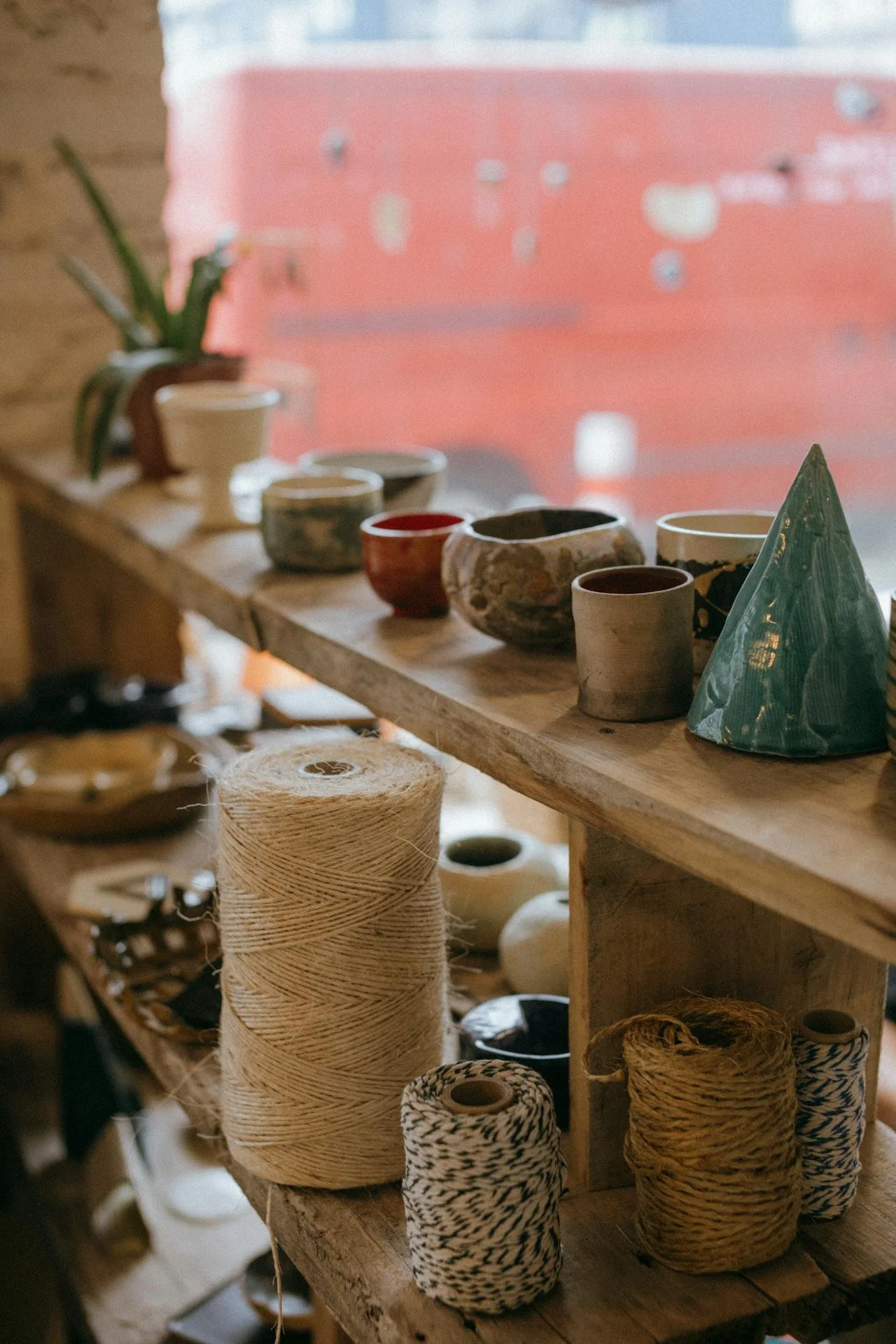
To gauge if a shop is the right fit for your artwork, there are a few things you can look for. The first thing I would do is (if possible) visit the shop undercover in person. This is a great way to better understand the vibe of the store. If you can’t be there in person, spend some time digging through their website.
What you’re looking for while on your sleuthing adventure:
What is the average price point of products they are selling?
What is the highest price?
What is the lowest price?
Do they sell work from other handmade artists?
Are they selling gifts, home decor, clothing, accessories, something else? This should align with what you want to sell there.
Are they selling a similar product to yours? If so, take note of the brand, price point, and research that brand too.
Does your product/wholesale price point/style fit in with what they are already selling? ie: you won’t sell your boho macrame art in a super minimalist home decor store.
Read their shop reviews on Google business or Yelp - what do people say about their store? Why do they shop there?
That should be enough to get you started. Start with stores in your local area and shop owners you might already have a connection with. I’d recommend starting a simple spreadsheet that includes the dates you reached out to them so you know exactly when to follow up too. Next, let’s talk about the ways you can get on a shop owner’s radar!

How to Approach Shops
Now you’re ready to make the magic happen! You have your list of shops that would be a great fit, and you’ve hopefully taken a few minutes to rank them in order from “dream shop” to “meh, it’s ok if they say no” type of shop.
There are two main ways you can get started and this will be very dependent on your personality. I think you’ll know pretty quickly where you’ll fall!
Stop by the store
If you are more of a social butterfly type of person that can talk to people and opportunities often fall into your lap, then I’d recommend going directly into the store and just chatting up the owner.
Many times if you mention you are a local artist they will ask you for a card or your social media or website. Sometimes even the sales associates will do this and pass on the info to the owner without you even having to ask. In this case, walk in prepared, with a card or QR code ready, and see how it goes.
Have a card on hand, or be able to pull up your online shop or some images so you can quickly show them your best work if they ask you to show them on the spot. Make sure whatever items you show them you are prepared to wholesale and they are priced as such. The last thing you want to do is to get them excited about a product that is not available for wholesale!
Email the owner
For the rest of you (most of you!) you’ll probably feel more comfortable hiding behind a screen and sending an email with a link to your work and line sheet. This way can work too, but you will likely have to fight to get your email seen (or even responded to).
There are some tricks to this (more tried and true strategies I share with you inside Handmade & Paid!) but you can absolutely have success getting into shops this way. This is also great if you want to submit work to shops that are in other cities or states too!
The most important thing to know about emailing a shop owner is that you’ll need to be ruthless about following up. It can feel like you’re being annoying, but that’s what it takes! Pick your poison ;).

Maintaining a Good Relationship and Growth
Once you’ve locked in your first wholesale gig, make sure to celebrate!! Then it’s time to get to work :)
I’d recommend tracking your time so you can make sure (at least for the future) that your pricing for labor is pretty on point and you’re paying yourself fairly.
Next you’ll want to deliver your product on time, and make a note to check in with the shop owner soon to see how it’s selling. You should also contact them when you have a new product (that is relevant to their shop) or a new colorway, etc, so they always know your latest shop update.
Continue to overdeliver, respond quickly, and you’ll have your shop owner’s heart for the long run. This can open you up to new growth opportunities, and a bigger income stream later if you play your cards right.
Scale your craft business locally
While there are a lot of details to get right, as well as a bit of a learning curve, figuring out where to sell artwork locally can be a fun and fulfilling experience! If you’re looking for a way to get your name out there, build another income stream, and make some new connections, then selling your work is probably a good path for you! Now you never have to think, “I don’t know where to sell my art…” again!
Now that you know where to sell art in your local area, what should you do first? It can be overwhelming to figure out what products will actually work for wholesale. You need to be really careful you’ve priced everything correctly - or else you’ll lose money!
If you want someone to walk you through the entire process, you’re in luck! This is exactly what we do inside of Handmade & Paid, my group coaching program for artists and crafters that want to build a part time or full time income from selling their art.
Ready to find out more? I gotcha. Click the link below to book a free call with me to find out how you can start getting paid for your art!
Frequently Asked Questions
-
If you don’t know where to sell art locally, start by researching nearby shops, art fairs, and galleries that show other artist’s work. Keep your eyes open when you’re out in your town. If someone is selling their art somewhere, that means you can sell there too!
-
Research local galleries in your area, and gift shops that sell local artists original art and prints too. These are common places artists sell their work locally.
-
Art prints are often found in small local shops sold alongside other handmade art. Look for gift shops, local art shops, and even at smaller galleries to see if they are already selling art prints.
-
Expensive original art sells well online, but if you’re looking locally, connecting with art galleries could be a great option. You can even reach out to home decor stores to see if they would sell your work as well.